
Join us for a champagne moment as we celebrate the official launch of our Shop of Hope. Thank you to all who entrusted their Corporate Social Investment to Project Hope’s goal of building an income generation programme.
Strengthen the Hands that Help Underprivileged Children in SA
For businesses seeking measurable socio-economic impact, funding South African early childhood development offers a proven return on investment. However, true success requires a holistic strategy. Focus your CSI budget on Section 18A ECD donations that address underlying issues preventing a vulnerable child (aged 0-5) from reaching their full potential—Parental Unemployment.
The Shop of Hope launch marks a major milestone on our journey towards caregiver economic self-reliance. Located in the Embo community in KZN, this sustainable social enterprise completes a vital step in our mission.
By strengthening the parents, we help break structural poverty cycles. Take a peek behind the scenes and follow the tale of how community-care built the foundation of hope.
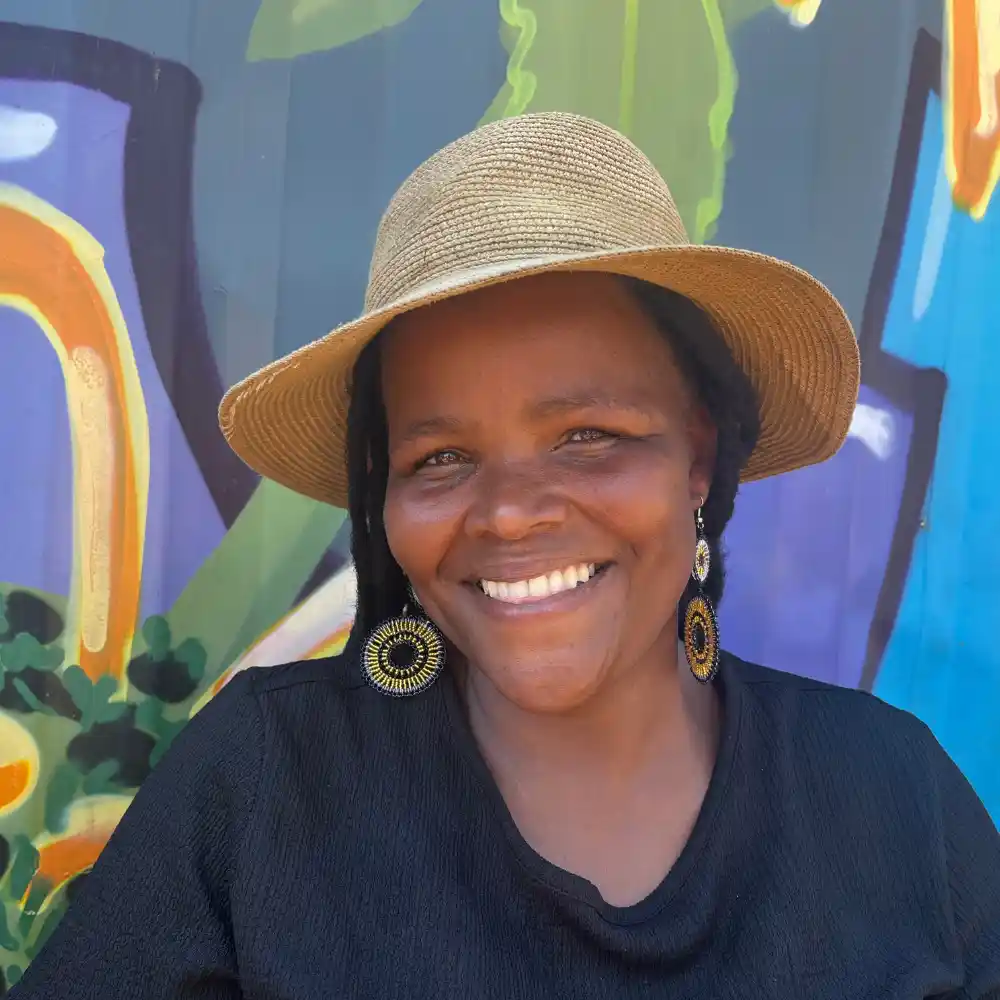
Busy company owners: Short on time? Skip to the section below titled ‘Focus Your Section 18A ECD Donations on Holistic Support‘ to learn how you can get involved right away.
Uplift Communities: Project Hope’s 3-Step Sustainable Social Enterprise Model
Project Hope drives structural transformation through a clear, three-tiered framework:
- Monthly Parental Sponsorship: Secures the same support, love, and opportunity we offer their children, helping primary guardians heal, grow, and thrive.
- Caregiver Skills Development: Equips mothers, grandmothers, and fathers with artisanal, craft, and foundational business skills.
- Shop of Hope eCommerce: Connects rural artisans with local and global consumers through an online marketplace, generating sustainable household revenue.
Project Hope is a registered NPC & PBO. Corporate donations qualify for a Section 18A Tax Certificate, rendering your donation 100% tax-deductible.
Take a Peek Behind Shop of Hope’s Heart: Sara & Zinhle’s Story
An infant, a mommy, a gogo, and a determined Mzansi citizen: this is the winding tale that led to the Shop of Hope.
It began in 2012 with one registered nurse’s outreach service in eThekweni’s impoverished settlement, Embo. Working alongside local community members, Sara witnessed the daily challenges in an area plagued by violence, substance abuse, and poverty.
Despite the palpable despair, she saw the potential for real change. This vision led to the birth of Project Hope in 2020. Imi, a little boy under a year old at the time, was the first recipient of funding through the then Underdeveloped Child Programme. By talking to Zinhle Phakathi, Imi’s mom, Sara began to understand the heart of what children truly need: a stable home.
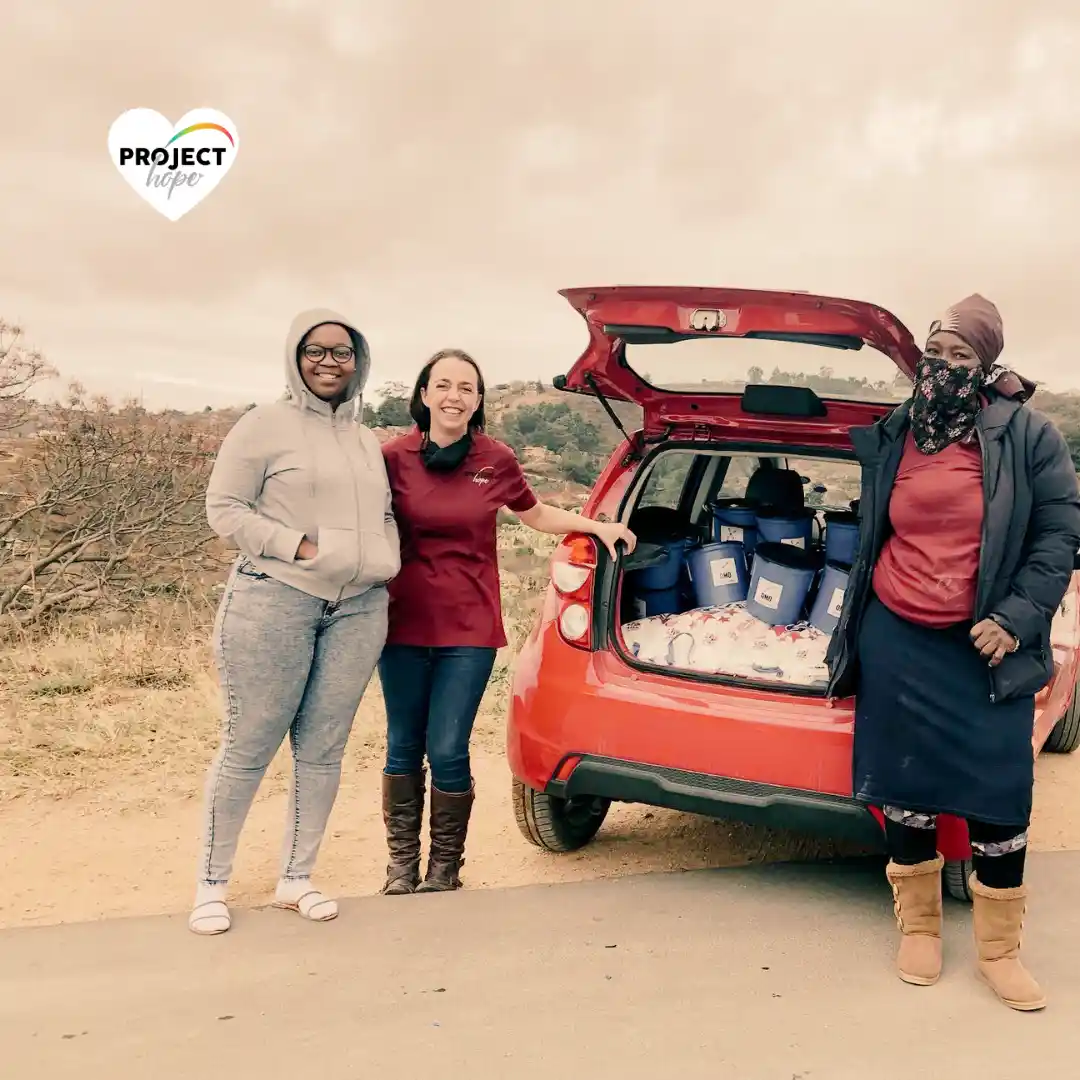
During the devastating floods of 2022, Zinhle and Sara’s relationship deepened. Amid the relentless rain, emergency food-supply runs, and sadly, a child’s burial, an enduring friendship was cemented.
Zinhle received holistic support through our ‘Blessing Package’. Over the intervening years, our work in Embo evolved. Finally, in late 2025, strategic planning and funding aligned, and the Shop of Hope began to take shape.
Today, parental sponsorship has come full circle. The Phakathi family life has been transformed by the very project their story helped create. Within their homestead, through shared commitment, we officially launched the Embo Skills Hut in 2026. Alongside Gogo Babongile, Zinhle now leads our caregiver skills development initiatives and handcrafts authentic African beadwork for our online shop.
Watch the Embo Skills Hut Build the Foundation for Self-Reliance
The Embo Skills Hut is the foundation of our social enterprise, built brick-by-brick through community dedication and corporate generosity. Costing approximately R180,000 to complete, its true value lies in the story of how it came together—slowly, collectively, and through extraordinary acts of kindness.
Slide images below to see how the Embo hut transformation.
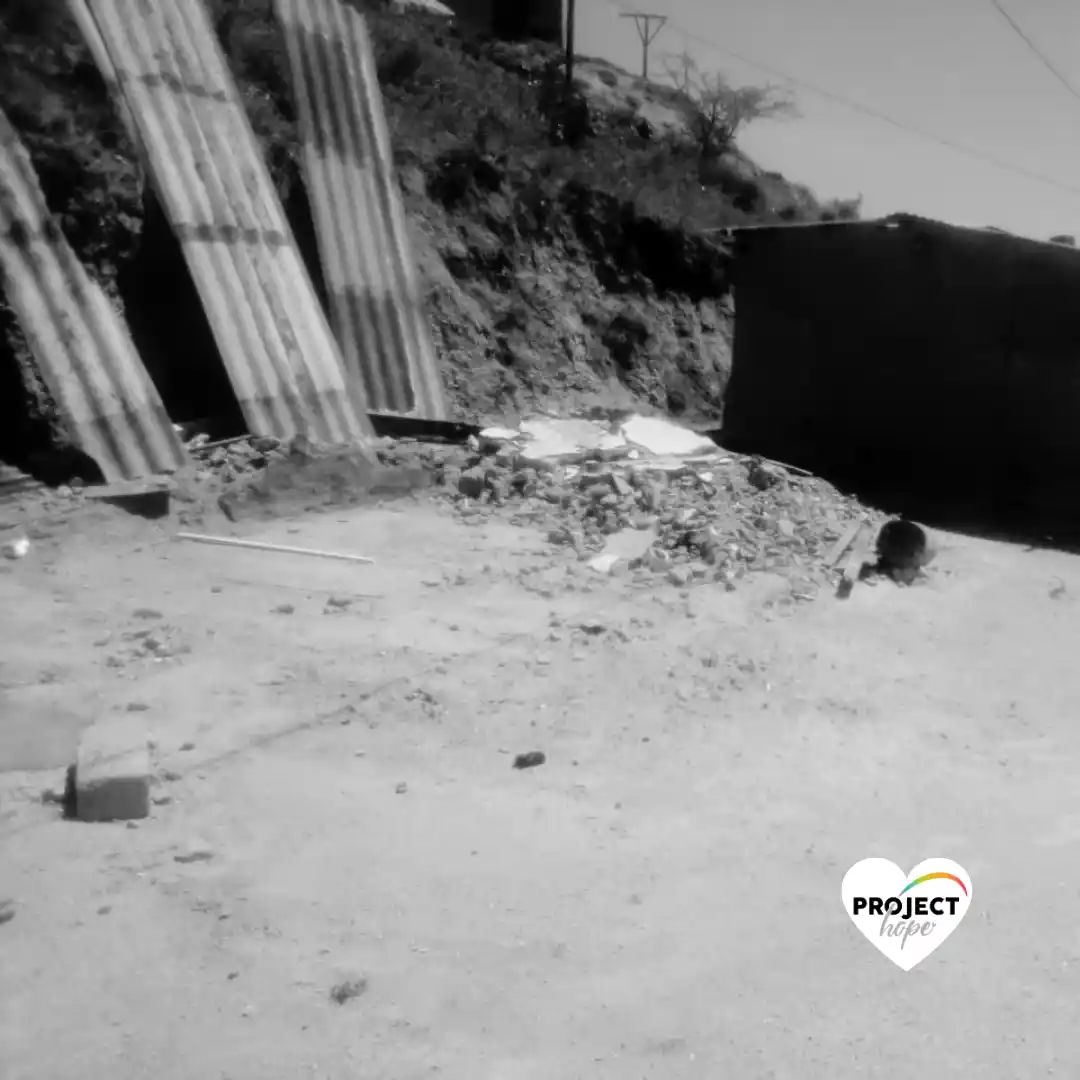
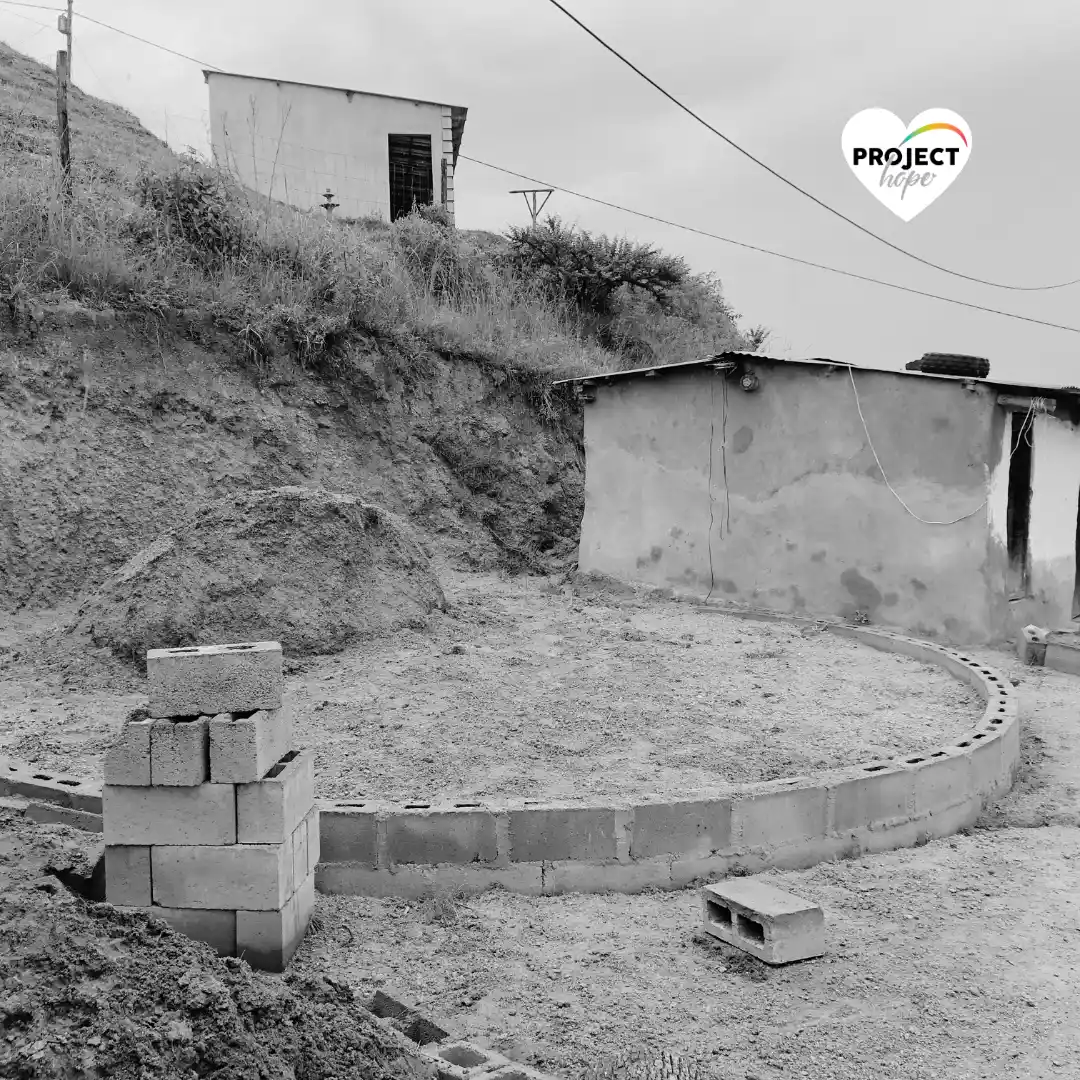
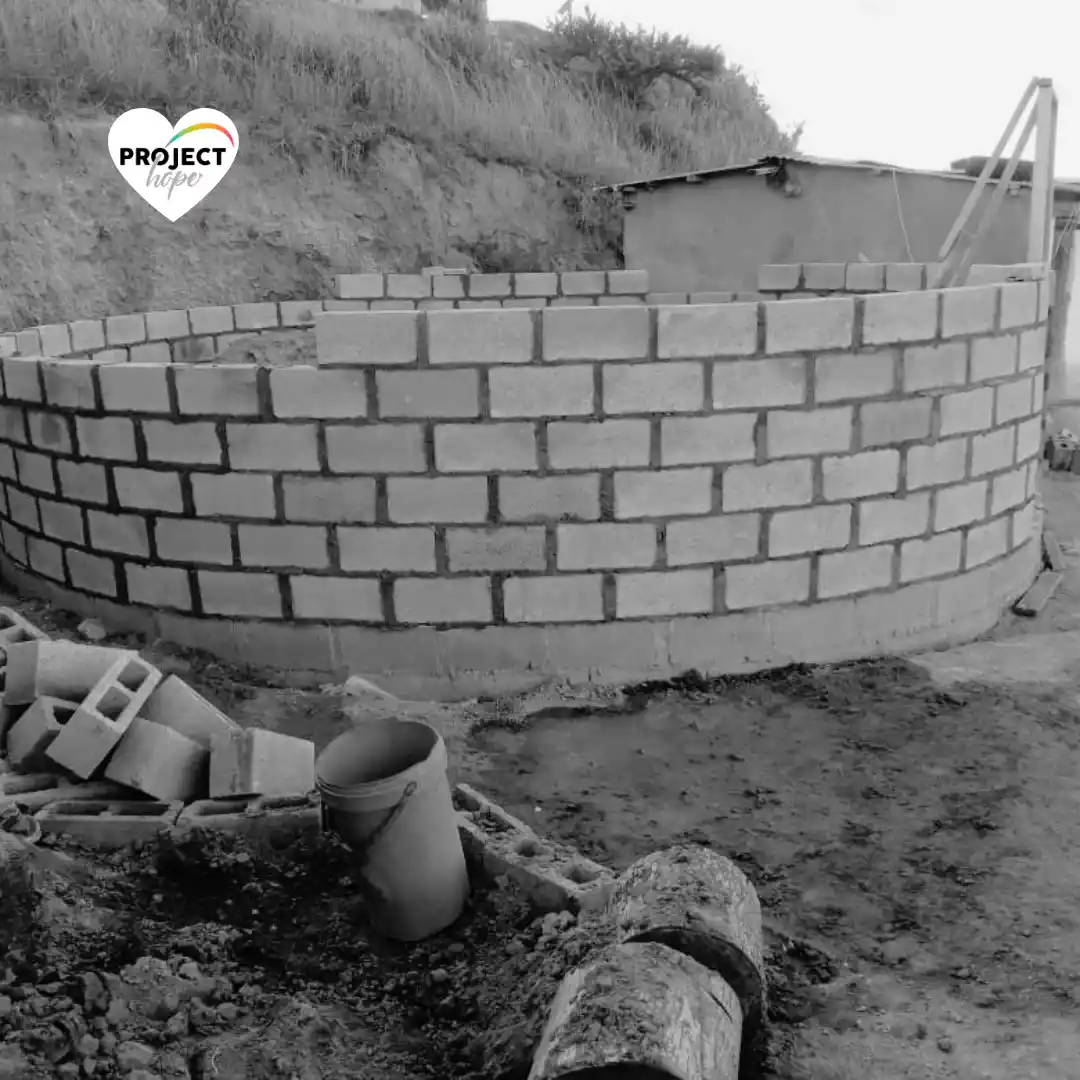
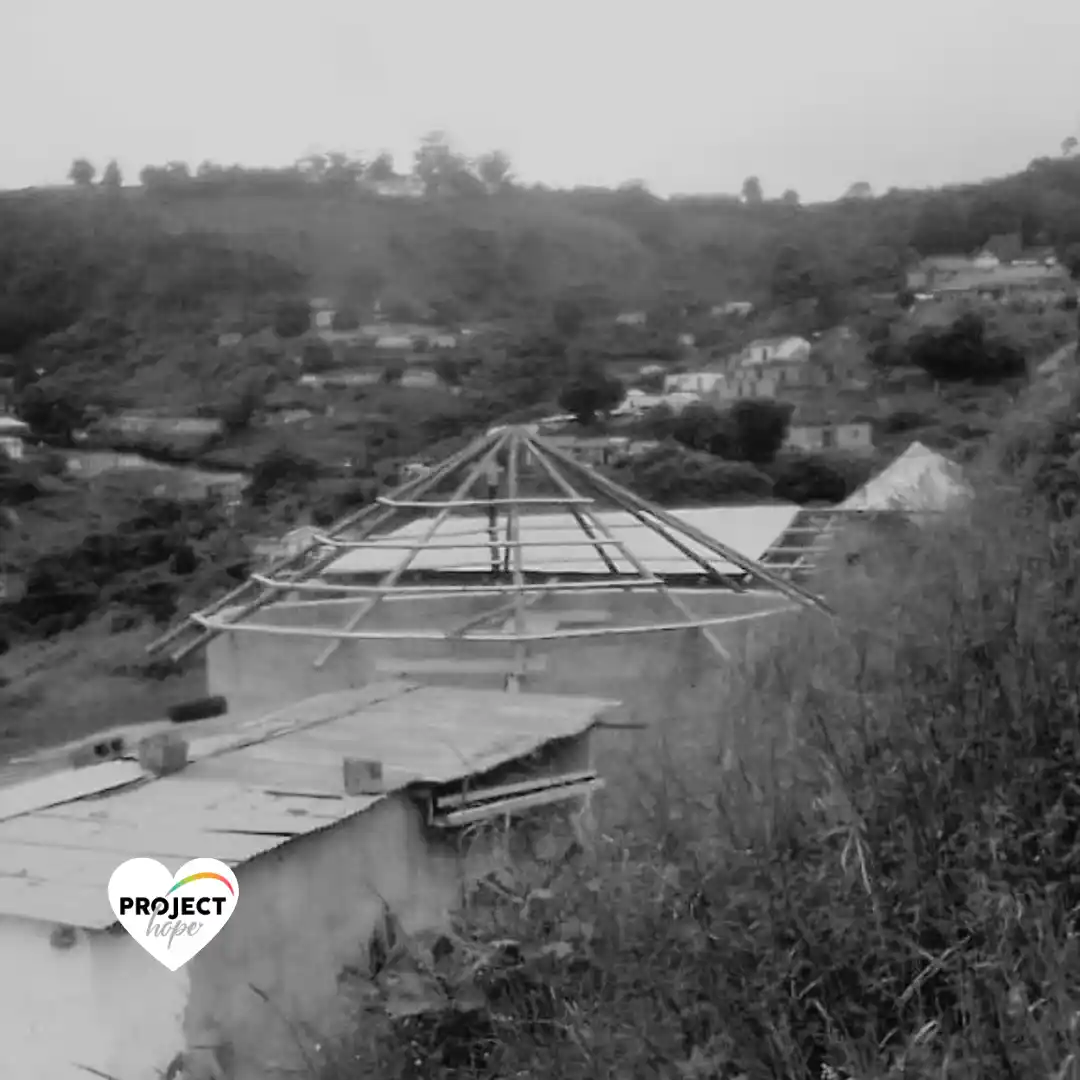
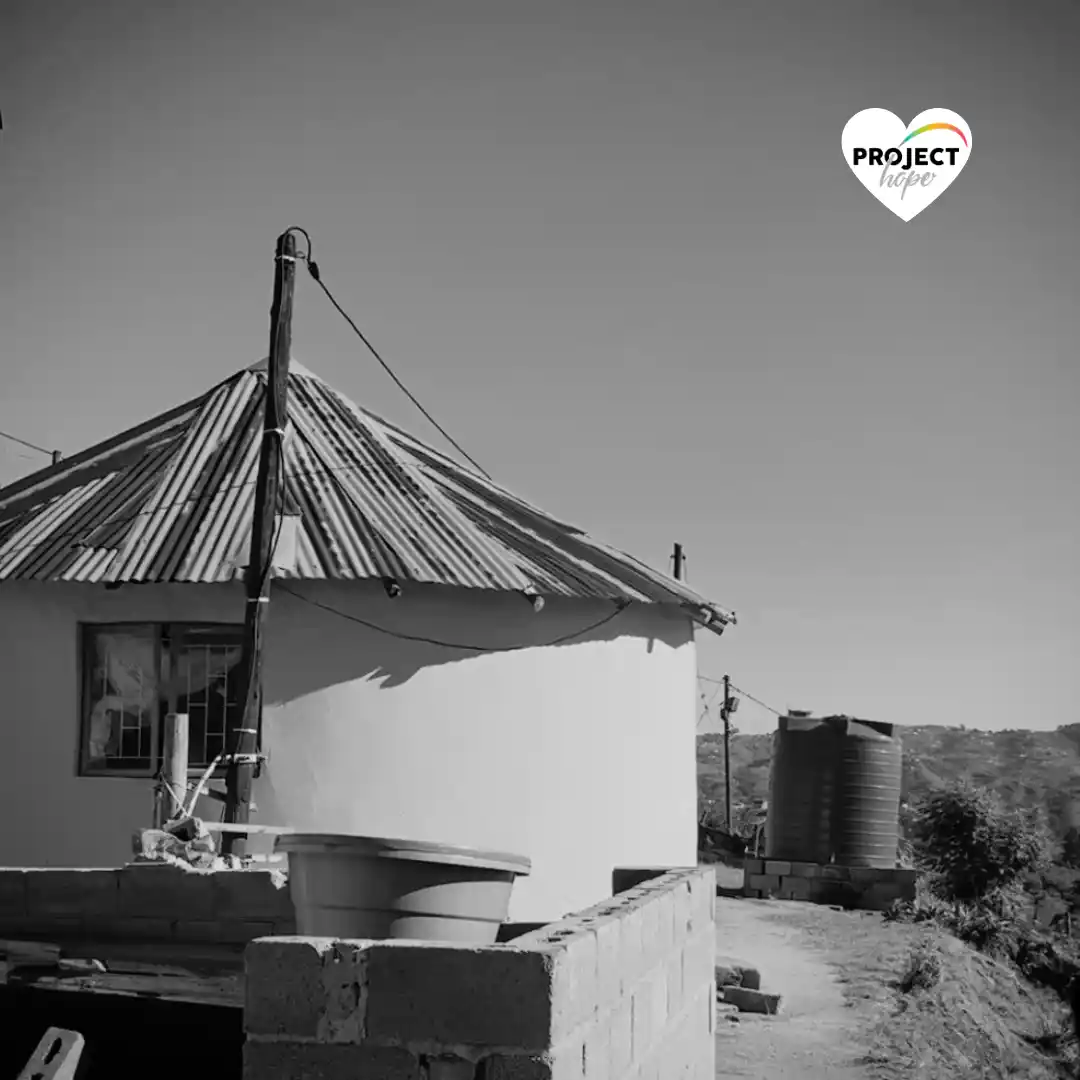
Every single brick was carried down a steep, dusty road by hand. There were no easy deliveries—only steady footsteps and determination. Neighbourhood children frequently joined in, lifting one or two bricks at a time, infusing youthful energy into the build in their own delightful way.
Donated doors, windows, and paint brought the structure to life. A local rondavel roofing expert secured the traditional structure, which later gained global recognition when a virtual photo shoot of the build was featured in British Vogue.
This humble hut brings work directly into the township. By localising production, creative caregivers like Zinhle eliminate expensive transit costs and stay close to home to better nurture their precious izingane.
Focus Your Section 18A ECD Donations on Holistic Support
Traditional funding often targets the classroom in isolation. We believe meaningful child welfare requires stabilising the home environment. Financial contributions toward our full-circle initiatives provide companies with a 100% tax deduction under SARS Section 18A regulations while building local economic resilience.
Go beyond compliance checkboxes. Your company can drive measurable, multi-generational change in South African townships through strategic financial backing. Subsidise the skills training centre and online shop operational and administrative expenses, so we can focus funds on product creation and building sales revenue. Assist us as we work towards self-sustainability.
How Your Business Can Partner with Us
- Support Our Daily Operations: Offset unavoidable running costs—like Embo Skills Hut monthly electrical fees that power our lights, fridge, and vital tea kettle.
- Drive Global & Local Sales: Cover targeted digital marketing campaign fees (such as our SEO blog content & social media writer) and connect rural artisans to high-value markets.
Currently, 100% of the turnover from handcrafted items goes directly back to our creative caregivers. As sales grow, we will use our profit margins to cover operating costs, making the shop fully self-sustaining. Additionally, Zinhle will receive training in business financial management…and so, a small enterprise grows.
Contact Sara today to find out how your company can make a positive impact.
Stay Connected!
For further insight into Zinhle & Imi’s story, read our first Shop of Hope blog: Spoiler Alert—Spot the Support Roosters! Catch our creative caregiver stories throughout May! We post twice a week on Facebook and Instagram, and every two weeks on LinkedIn.
Thank you for taking the time to read the story behind the Shop of Hope.
With love,
The Project Hope Family
P.S. Private donors and individual funders: You are not forgotten and are deeply valued. Pop onto the Shop of Hope website or follow our socials to discover personal ways you can contribute.